
Hello friends, I'm Jessica!
Hi friends! My name is Jessica Deen and I’m currently a Principal Developer Advocate at AWS focusing on Amazon Elastic Container Service (Amazon ECS). Prior to joining AWS, I worked for Microsoft in a variety of capacitities for over a decade. Before that, I spent over a decade as an IT Consultant / Systems Administrator for various corporate and enterprise environments, catering to end users and IT professionals in the San Francisco Bay Area. I hold three Microsoft Certifications (MCP, MSTS, Azure Infrastructure), 3 (now expired) CompTIA certifications (A+, Network+, and Security+), 4 (probably expired and irrelevant) Apple Certifications, and I’m a former 4-year Microsoft MVP (Most Valuable Professional) for Windows and Devices for IT. In 2013, I achieved my FEMA Professional Development Series (PDS) certification from the U.S Department of Homeland Security, which recognized my communication, leadership, influence, problem solving, and decision making abilities during times of crisis and emergency.
Meet Jessica Deen, developer advocate at AWS

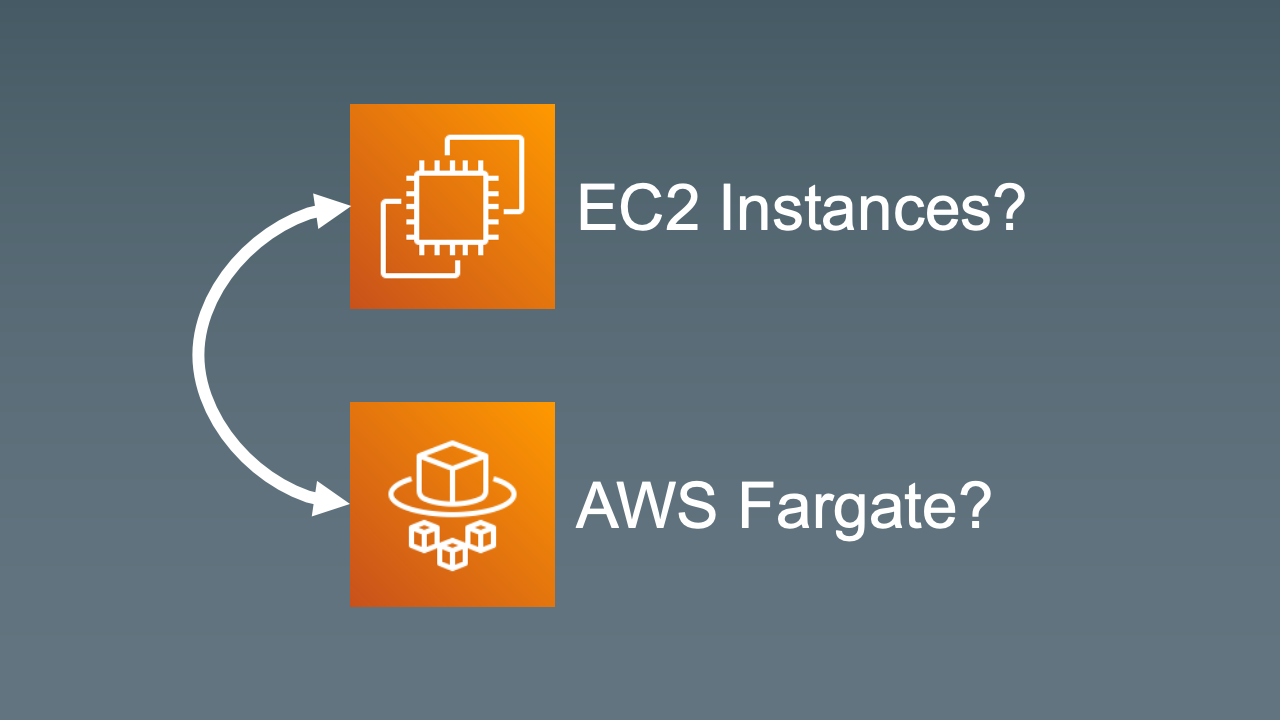
EC2 or AWS Fargate?
There are two main compute options for running containers with Amazon Elastic Container Service:
- EC2 (Deploy and manage your own cluster of self managed virtual machine instances that can each run one or more containers)
- AWS Fargate (Run containers directly, without any virtual machines to think about)
Both are completely valid techniques for operating your containers in a scalable and reliable fashion. Which one you pick depends on which factors you want to optimize for.
Comparison of Amazon EC2 and AWS Fargate across pricing, performance, and administrative overhead, with examples of best fits for each compute option.

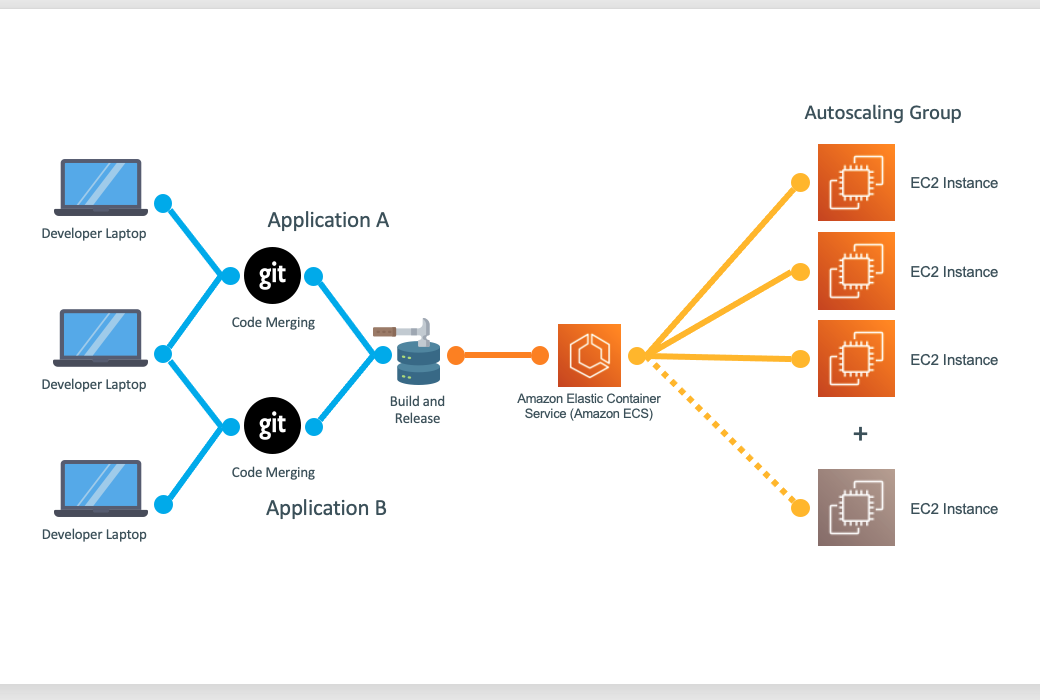
Why should I use an orchestrator like Amazon ECS or Kubernetes?
If you work in software development for the cloud you have probably heard of infrastructure orchestrators such as Kubernetes, Amazon Elastic Container Service, or Hashicorp Nomad.
Does container orchestration make it easier to manage your application, or does it make it harder?